How To Manage Oestrogen Depletion During Menopause
Renew Laser and Skin Clinic • March 31, 2026
For many women, menopause brings upon changes that feel subtle at first, then increasingly difficult to ignore. Skin that once felt resilient may quickly become dry or fragile. Flushing and redness can appear without warning. Your hair, skin texture and tone may also shift in ways that feel unfamiliar. It is important to note that these changes are not random. They are closely linked to declining oestrogen levels and how this hormone supports the skin and its underlying structures.
Understanding what is happening beneath the surface of your skin is an important first step in working what is truly occurring. With the right combination of clinical care, lifestyle adjustments and professional skin treatments, it is possible for you to support your skin health through this stage of life in a measured and informed way.
Understanding the Role of Oestrogen in Skin Health
Oestrogen plays a significant role in maintaining your skin structure, hydration and elasticity. As these levels begin to decline during menopause, the skin’s ability to repair and protect itself can start to change noticeably.
Some of the key effects of oestrogen depletion include:
- Reduced collagen and elastin production
- Thinner skin with decreased resilience
- Increased dryness and sensitivity
Dermatologists regularly assess these changes during consultations, helping patients to understand which symptoms are hormone related and which may stem from other environmental or lifestyle factors. This distinction is incredibly important for choosing the appropriate treatment options.
Common Skin Changes During Menopause
Menopausal skin changes can vary drastically between individuals, but certain patterns are common. These changes often develop gradually, which can make them harder to identify early on.
A selection of some frequently reported skin concerns during this time include:
- Persistent dryness or itching
- Increased redness or flushing
- Fine lines becoming more pronounced
A dermatologist can evaluate how these changes are affecting skin function rather than focusing only on skin appearance. This clinical approach allows treatments to support barrier repair, hydration and long term skin integrity.
Supporting the Skin Barrier as Hormone Levels Shift
As your oestrogen levels begin to decline, the skin barrier may start to weaken, allowing moisture to escape from it more easily and allow irritants to penetrate inside. Strengthening this barrier then becomes a central goal in managing menopausal skin.
Here are some support strategies that dermatologists often focus on for menopausal patients:
- Using medical grade skincare to restore barrier lipids
- Reducing exposure to harsh or stripping products
- Introducing treatments that support skin renewal
Many dermatology clinics often recommend tailored skincare plans that are based on skin assessments, ensuring products and treatments work with the skin’s changing physiology rather than working against it.
Nutrition, Sleep and Stress as Skin Influencers
Hormonal change sits alongside many other factors that affect skin quality. During menopause, disrupted sleep, higher stress and dietary shifts can also influence inflammation, sensitivity and overall skin recovery.
Practical foundations that are effective in supporting skin health include:
- Prioritising protein intake to support tissue repair
- Eating a range of fibre rich foods to support gut health
- Managing sleep routines to reduce ongoing inflammation
While these steps do not replace medical care, they can complement dermatology led treatment plans. Many patients find that once their daily habits are stabilised, their skin starts to respond more predictably to topical products and in clinic procedures.
Managing Pigmentation and Uneven Skin Tone
Hormonal changes can influence melanin production, leading to pigmentation issues or uneven skin tone. These changes may become more noticeable during menopause, particularly when they are combined with sun exposure.
Management approaches for pigmentation and skin tone during the time may include:
- Clinical skin treatments designed to target pigmentation
- Ongoing sun protection strategies including sunscreens
- Professional guidance on active ingredients
Dermatologists will assess your pigmentation carefully to determine its cause and depth. This ensures that treatments are appropriate for you and helps to minimise extra irritation or further pigment disruption.
Addressing Skin Thinning and Loss of Firmness
Reduced oestrogen contributes to thinning skin and a gradual loss of firmness. This process affects not only skin appearance but also how well the skin withstands everyday stress.
Clinical care may focus on:
- Treatments that can stimulate collagen production
- Techniques that can support skin strength and density
- Long term maintenance plans rather than searching for short term fixes
Dermatology led treatments are selected based on your skin condition and tolerance, with an emphasis on gradual improvement and ongoing support rather than an aggressive intervention.
The Impact of Menopause on Sensitivity and Redness
Many women experience increased skin sensitivity during menopause. Redness, flushing or reactive skin can become more frequent as hormonal regulation shifts.
Management strategies can often involve:
- Identifying and avoiding common triggers
- Using calming treatments and gentle formulations
- Monitoring skin response over time
A dermatologist can help distinguish between menopausal flushing, inflammatory skin conditions and environmental triggers. This clarity supports more effective and comfortable treatment planning.
Professional Treatments That Support Menopausal Skin
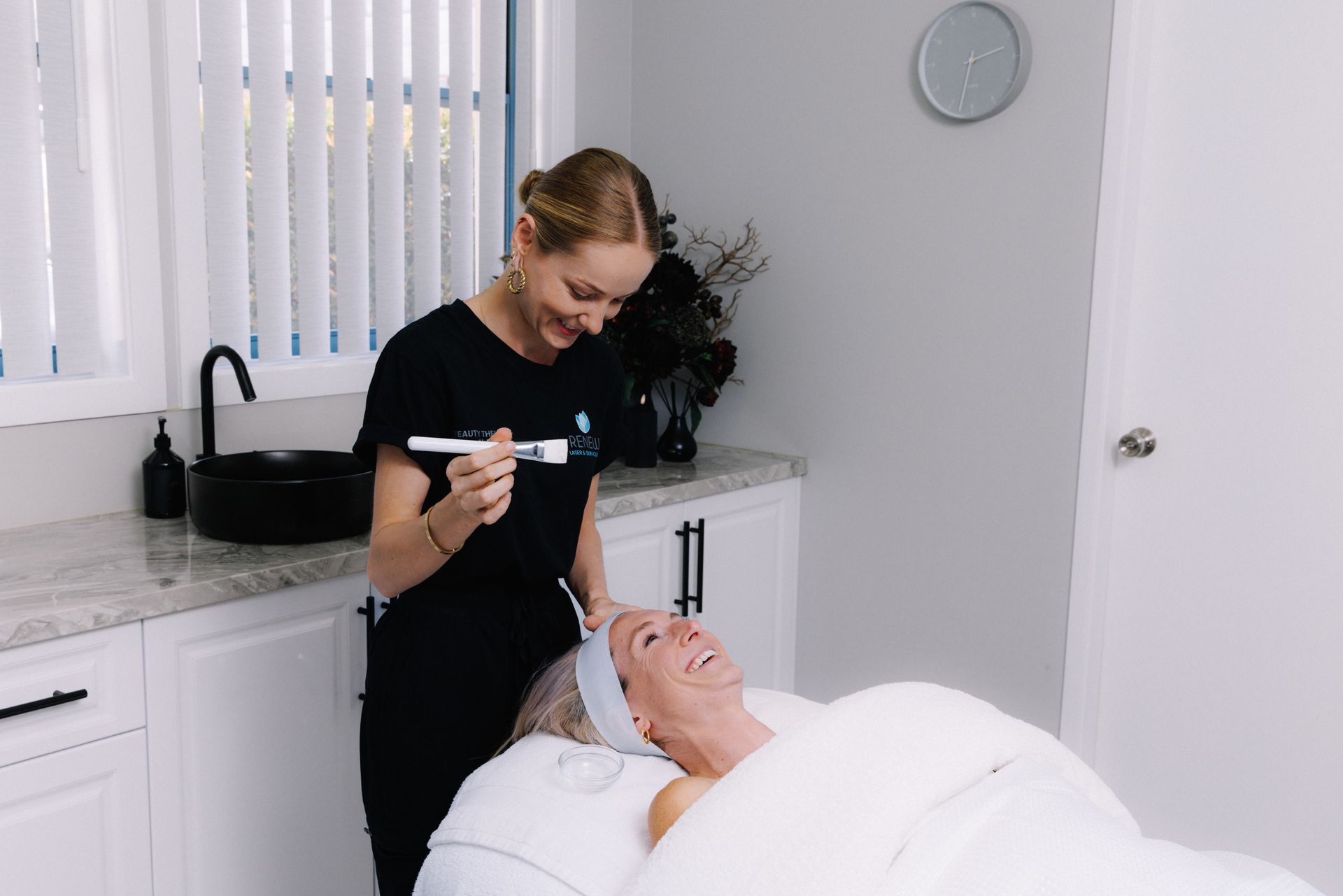
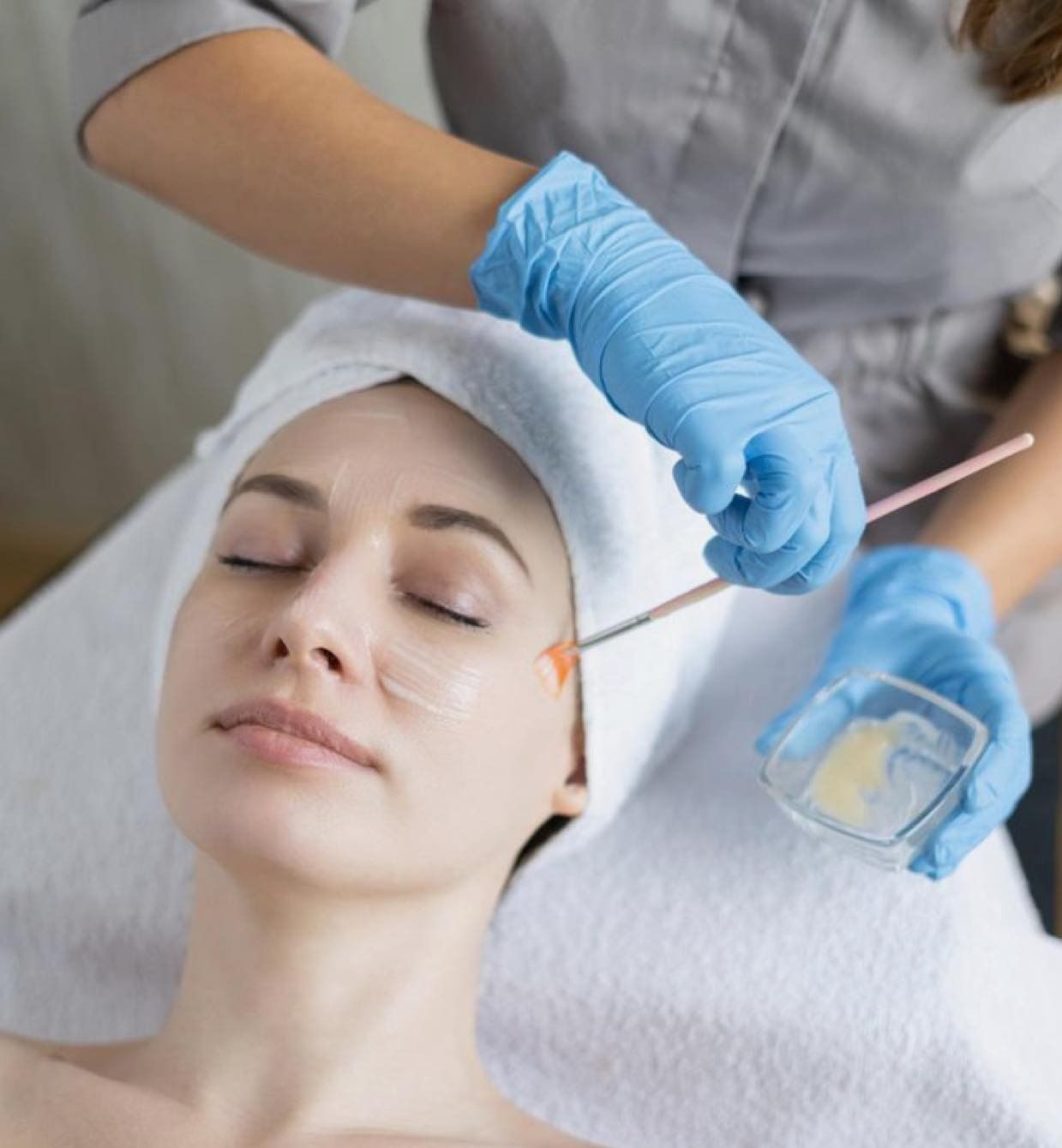
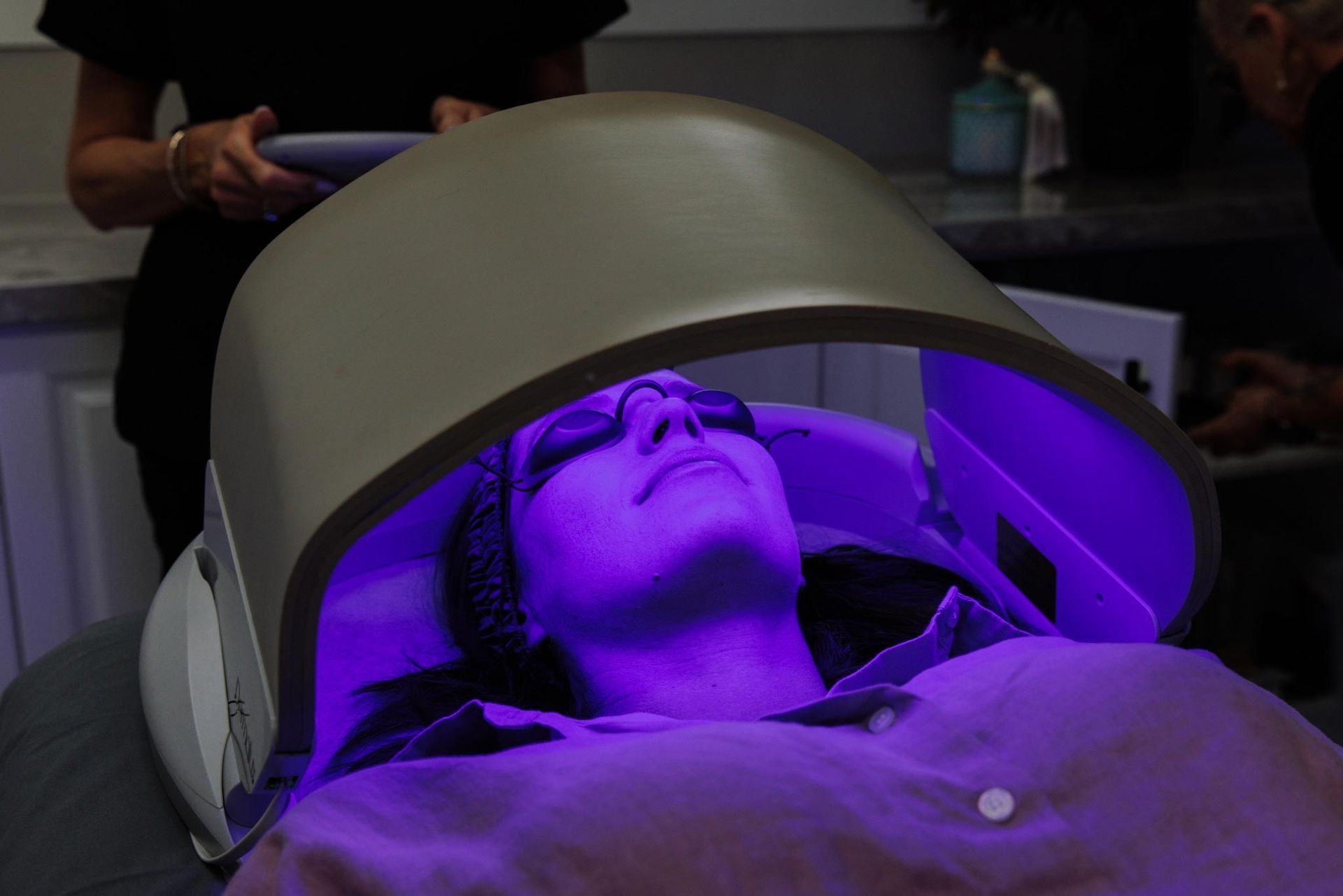
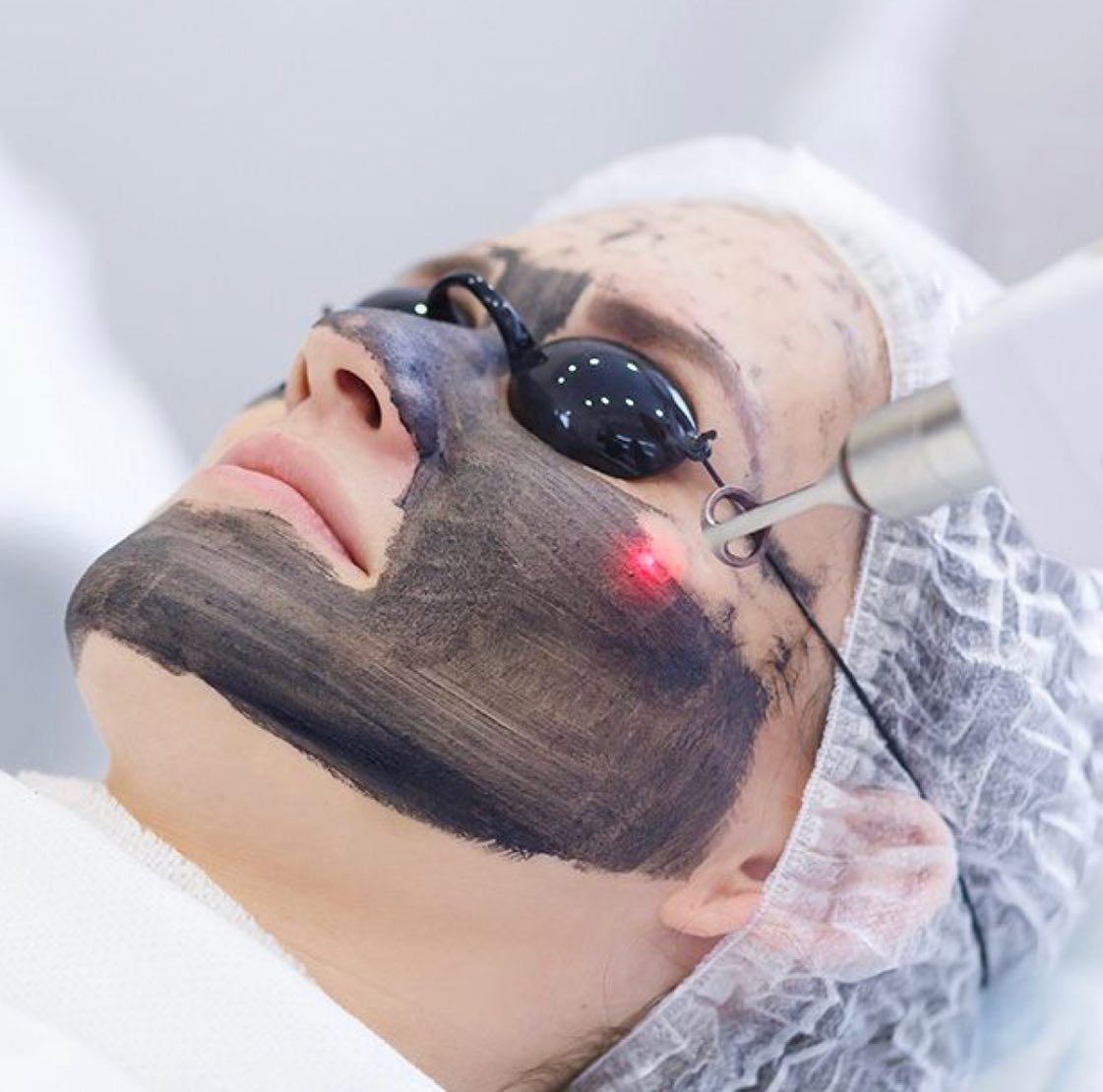
Professional skin treatments can play a role in managing the effects of oestrogen depletion when selected carefully. These treatments are designed to work alongside the skin’s natural repair processes.
Some common clinical options include:
- Skin rejuvenation treatments that encourage renewal
- Procedures aimed at improving texture and hydration
- Maintenance therapies tailored to mature skin
Dermatologists assess suitability for each treatment based on skin health, medical history and individual goals. This ensures treatments support overall skin function rather than focusing solely on cosmetic outcomes.
Building a Long Term Skin Care Plan Through Menopause
Managing oestrogen depletion is not a onetime process. Your skin needs continue to evolve throughout menopause and beyond, making long term planning essential.
An effective menopause skin care plan often includes:
- Regular skin assessments to monitor change
- Adjustments to treatments as skin needs shift
- Education around realistic expectations and outcomes
Working with a dermatologist allows care to adapt over time, providing continuity and reassurance during a period of significant physical change.
Get in Touch
We at Renew Laser Clinic work closely with women navigating menopausal skin changes in Taree, where climate factors such as sun exposure and humidity can further affect skin health. Through professional skin assessments and evidence based treatments, we support patients in managing the effects of oestrogen depletion with care and clarity. To learn more or book a consultation, visit the website and contact our team today.