How To Manage Dryness & Sensitivity During Menopause
Renew Laser and Skin Clinic • January 20, 2026
Menopause brings changes that often extend beyond mood and energy—it also alters how your skin feels and behaves. Where once your complexion might have felt balanced, it may now seem unpredictable: one day dry and tight, the next prone to breakouts along the jawline. These shifts are driven largely by hormonal changes, particularly a drop in oestrogen and a relative rise in androgens, which can influence oil production, barrier function and sensitivity.
During this stage, many people find that their long-trusted skincare routine suddenly stops working. Moisturisers no longer seem to hydrate, cleansers may sting, and acne appears in unexpected places. The good news is that with guidance from a dermatologist, these challenges can be managed with thoughtful adjustments and gentle routines that support comfort and balance.
In this blog post, we’ll explore how menopause affects the skin, why dryness and sensitivity often appear together, and what steps you can take to help your skin adapt more comfortably.
Skin Feeling Tight Overnight? Rebuild the Barrier Before You Chase Glow
As hormone levels change, the skin’s natural oils and lipids decline, weakening the barrier that locks in moisture. This barrier breakdown can leave skin vulnerable to irritation, dehydration and that tell-tale “tight” feeling after cleansing.
Building barrier strength before adding any active ingredients is key to maintaining comfort.
- Use a mild, pH-balanced cleanser that doesn’t foam excessively or strip the skin.
- Follow with a moisturiser rich in ceramides, fatty acids and cholesterol to replenish lost lipids.
- Introduce hydrating serums containing glycerin or hyaluronic acid under your moisturiser for added water retention.
Once hydration and comfort return, active ingredients like retinoids or acids can be added gradually without triggering excessive dryness.
Not the Pimples You Remember from School
Menopausal acne behaves differently from the breakouts common in adolescence. Instead of small surface pimples on oily areas, menopausal acne often appears as deeper, tender bumps on the chin and jawline. These flare-ups occur when hormonal fluctuations stimulate oil glands, even as the rest of the skin becomes drier and more fragile.
Understanding these differences can help you approach treatment with patience and care.
- Menopausal acne usually clusters along the lower face, unlike teenage acne that targets the forehead and nose.
- Spots may be fewer but deeper and slower to heal.
- Skin surrounding the blemishes is often dry, red or irritated.
- Stress, friction from collars and certain cosmetic ingredients can trigger flare-ups.
Because mature skin can be more reactive, topical treatments need to balance acne control with barrier support rather than relying on harsh drying formulas.
Retinoids Without the Rough Patch
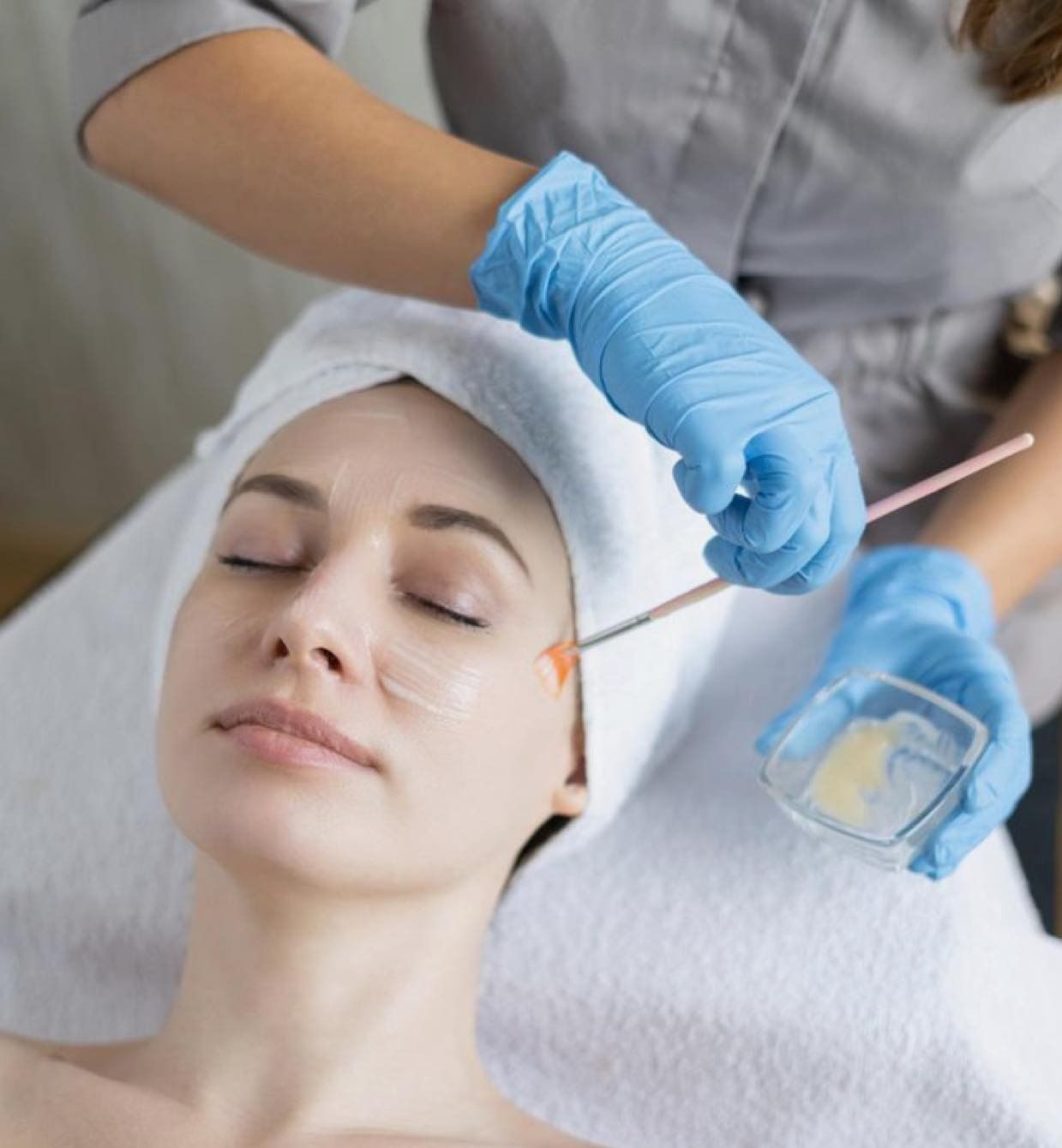
Retinoids remain a common part of skincare during menopause for addressing fine lines, texture and congestion. However, the same formulas that worked years ago might now cause stinging or flaking. Introducing them thoughtfully helps your skin adjust.
- Begin with a low-strength retinoid applied two nights a week and increase slowly as tolerated.
- Apply moisturiser before and after your retinoid to reduce dryness (“sandwich method”).
- Avoid layering with acids or exfoliants on the same nights to minimise irritation.
A dermatologist can guide timing and formulation, helping you maintain consistency without triggering unwanted reactions.
When Hormones Drive Breakouts, Look at the Whole Picture
Fluctuating hormone levels during menopause can lead to changes in sebum production and inflammation. While skincare plays a major role, internal factors may also influence breakouts and dryness. It can help to view skin health within the context of overall well-being.
- Discuss hormonal patterns, stress levels and sleep routines with your dermatologist.
- They may coordinate with your GP regarding potential systemic treatments or lifestyle adjustments.
- Keep expectations gradual—skin often responds best to consistent care over time rather than rapid interventions.
The goal is not to erase every blemish overnight but to create steadier, calmer skin through a balanced approach that suits your comfort level and health needs.
Lasers, Light & Needling: Where Energy Devices Can Fit
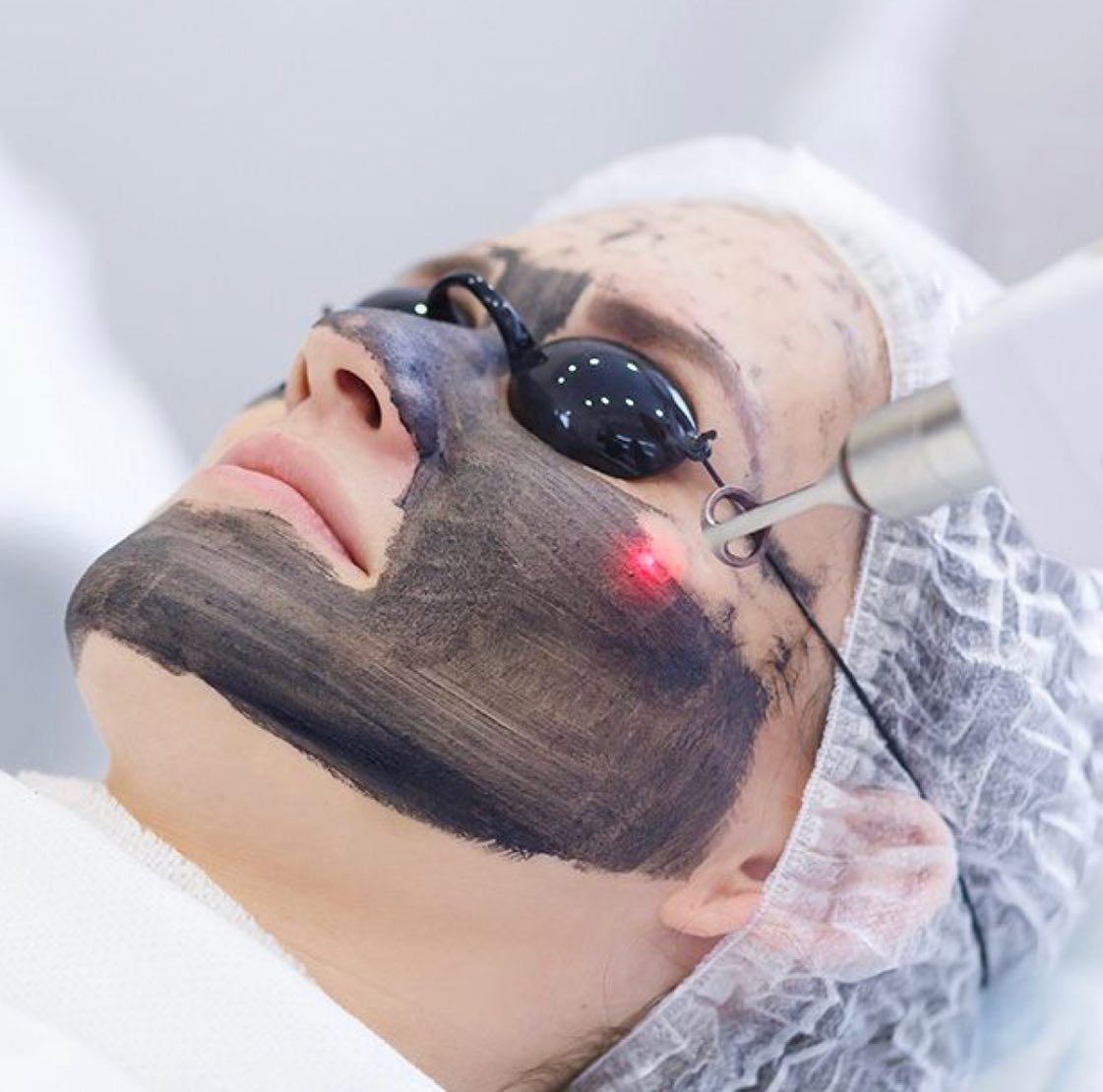
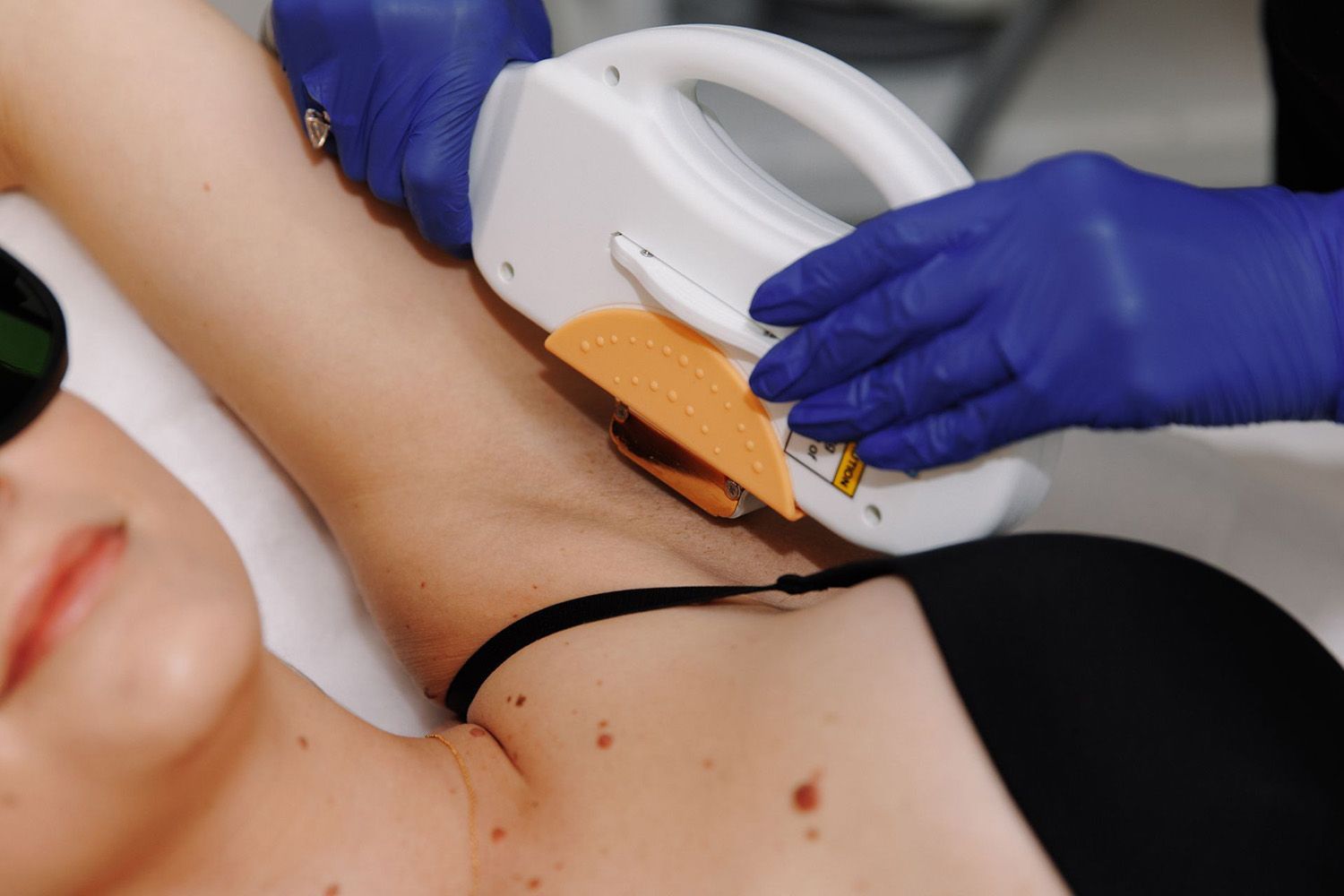
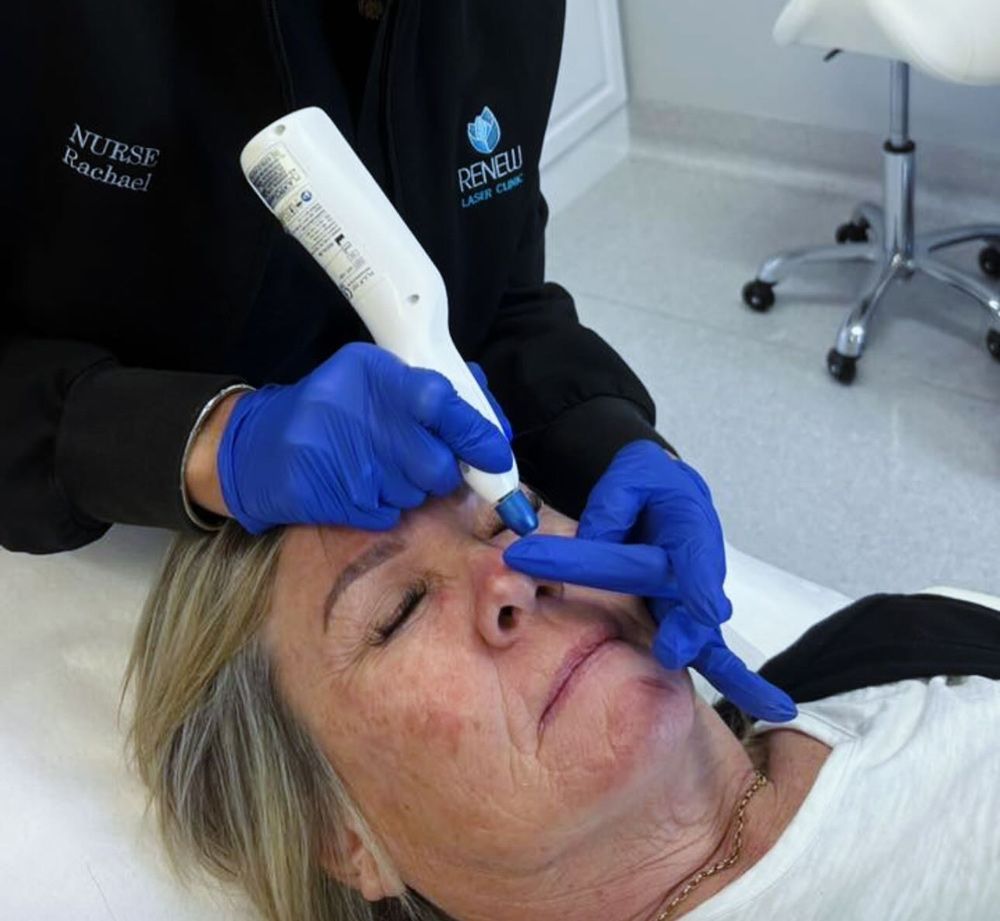
Clinic-based procedures can complement home care once the barrier feels stable. Energy-based treatments can help address uneven tone, visible redness and texture changes that sometimes accompany menopausal skin.
- Intense Pulsed Light (IPL) may be used to target surface redness and pigmentation.
- LED therapy offers a non-invasive way to calm the appearance of irritation and support the skin’s natural balance.
- Micro-needling can help refine surface texture and the look of post-blemish marks within a carefully planned program.
Such treatments are usually introduced gradually and combined with gentle at-home routines to maintain skin comfort. A dermatologist can assess suitability and outline timing and aftercare.
Cleanser & Moisturiser Swaps That Actually Help
One of the simplest ways to reduce dryness and irritation is to review your basic skincare steps. During menopause, formulas that once felt fine may now be too stripping or too rich.
- Choose a cleanser that is soap-free, non-foaming and fragrance-free.
- Replace thick occlusive creams with barrier-supporting moisturisers containing ceramides or squalane.
- Layer hydration by applying a lightweight serum before your moisturiser.
- Reduce exfoliation frequency; gentle cloths or enzyme cleansers can substitute harsh scrubs.
Sunscreen Tolerance When Your Skin Says “Nope”
Sun protection remains crucial during menopause, particularly when the skin is more prone to pigment and redness. However, irritation from some sunscreens can make daily use challenging.
- Opt for mineral or hybrid sunscreens that combine zinc oxide or titanium dioxide with moisturising bases.
- Apply sunscreen over your usual day cream to buffer the skin.
- Look for fragrance-free and alcohol-free formulations to reduce sting.
A Calm Plan for Flare-Ups
Even with care, flare-ups can still happen. Having a simple plan can help you ride them out without abandoning your routine entirely.
- Pause all active ingredients (retinoids, acids, exfoliants) for three days and focus on hydration.
- Cleanse gently twice daily and follow with a bland, barrier-repairing moisturiser.
- Avoid heat exposure, such as saunas, and limit spicy foods if flushing worsens.
- Resume activities gradually once your skin feels calm again.
Talk to a Dermatologist in Taree About Your Skin Changes
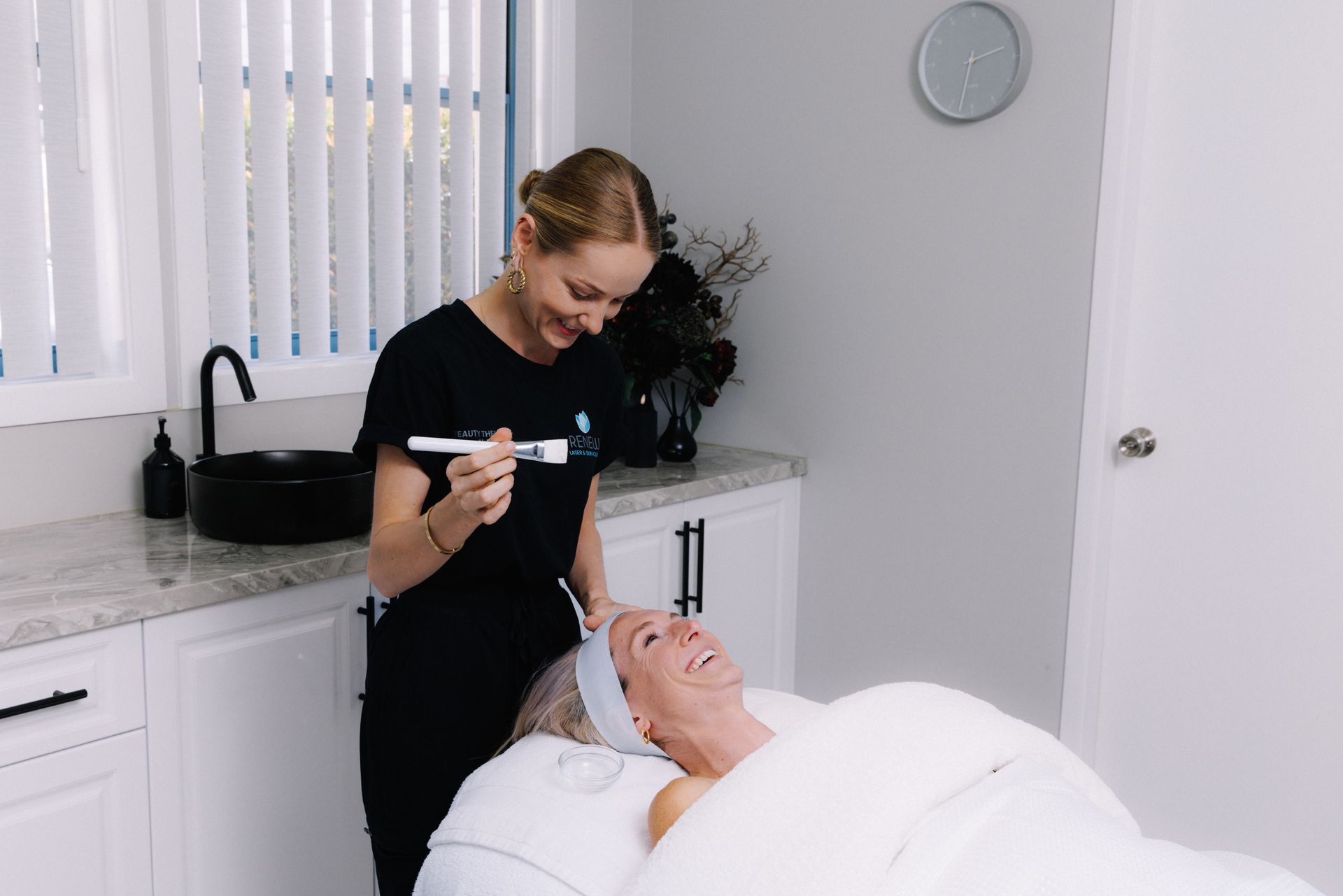
At Renew Laser Clinic, we discuss your skin concerns with our Dermatologist, Taree. Together, we can review your current routine, address dryness or hormonal breakouts and explore suitable in-clinic options such as light-based or needling treatments. Get in touch with us to learn more about how we can help you care for your skin through menopause.